The Patient’s Journey: Overcoming Bone Non-Union
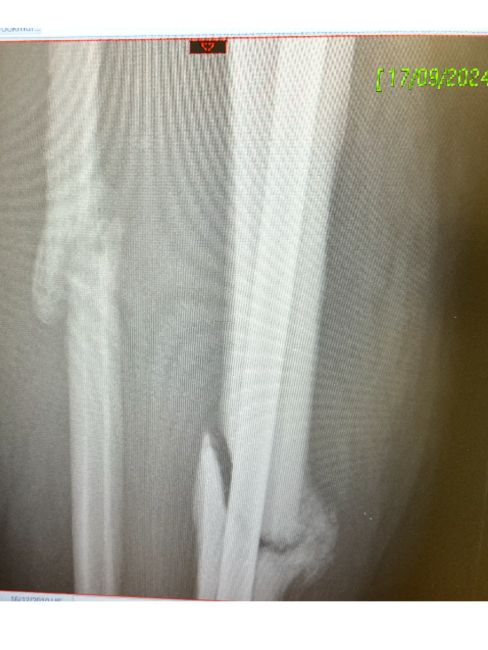
In April 2024, a 59-year-old male patient sustained a right tibia and fibula fracture during a football match. Despite undergoing surgery followed by post-operative rehabilitation through NHS physiotherapy, the fracture failed to heal adequately, leading to a diagnosis of bone non-union.
This condition left the patient struggling with persistent symptoms, including gait disturbances, joint effusion, pins and needles, and significant muscle weakness. The impact on his daily activities was profound, affecting his overall quality of life.
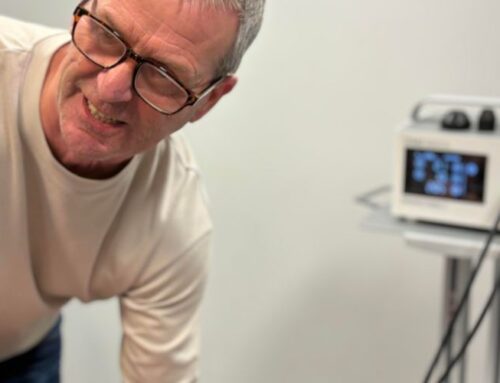
Dissatisfied with the slow progress, the patient sought additional treatment at Got to Get Balanced Clinic, which utilises Storz EMTT devices. The clinic devised a treatment protocol incorporating focused shockwave therapy and EMTT, two non-invasive therapies recognised for their ability to stimulate bone healing and tissue regeneration.
Treatment Protocol: Combining Focused Shockwave Theapy and EMTT for Accelerated Healing
Scientific research supports the efficacy of focused shockwave therapy as a potent non-invasive treatment for bone healing and bone oedema. By delivering high-energy shockwaves precisely to the affected site, focused shockwave enhances blood circulation, activates dormant bone cells, and stimulates the body’s natural repair mechanisms. This therapy is particularly effective for bone non-union cases, as it encourages osteogenesis (bone formation) and accelerates the repair of damaged bone tissue.
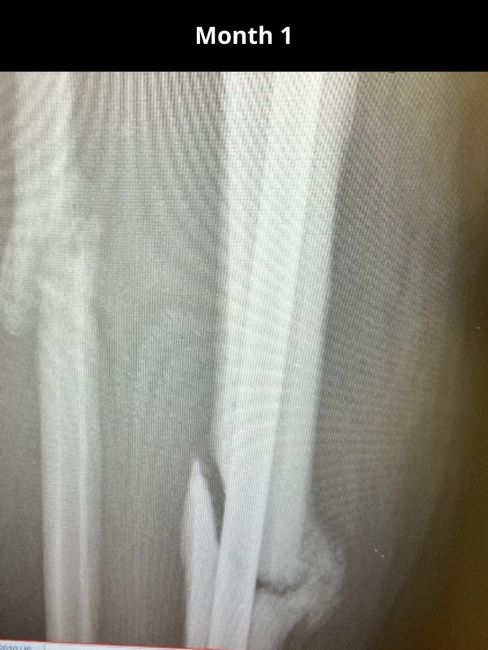
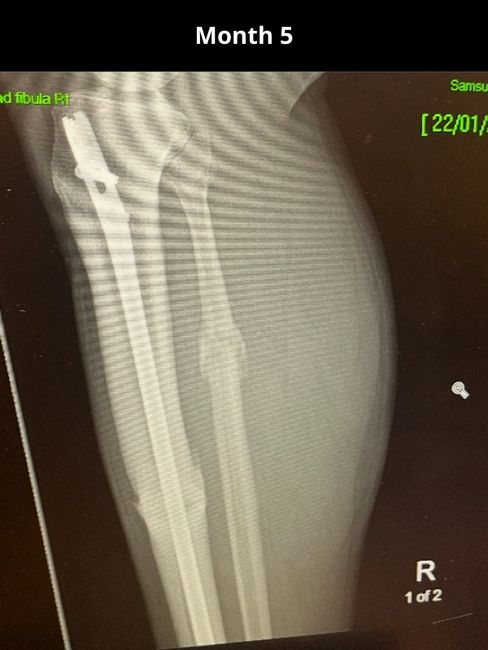
At Got to Get Balanced Clinic, the patient underwent six weekly sessions of focused shockwave. The treatment targeted the fracture site with precision, guided by X-ray imaging to ensure optimal application. Following the completion of the shockwave therapy sessions, a follow-up X-ray showed promising early signs of bone healing, marking a turning point in the patient’s recovery.
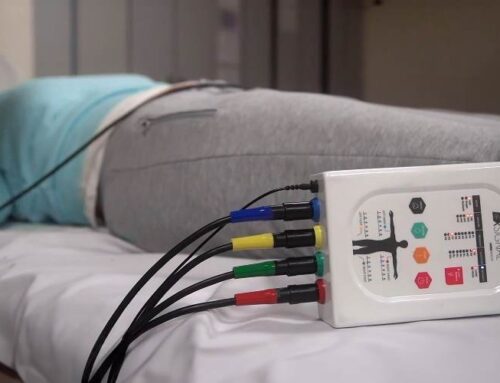
To build on this progress, the clinic introduced Electromagnetic Transduction Therapy (EMTT). Unlike traditional electromagnetic therapies, EMTT penetrates deep into tissues, reaching the cellular level to enhance regeneration, reduce inflammation, and boost circulation. When combined with shockwave, EMTT further promotes osteogenesis, expediting the bone repair process.
The patient received 10 EMTT sessions, spaced weekly. Each session aimed to stimulate bone regeneration and optimise vascularisation in the affected area. The complementary nature of focused shockwave and EMTT helped create an ideal healing environment, addressing both the structural and biological factors of bone non-union.
The Outcome: Significant Bone Healing and Restored Function
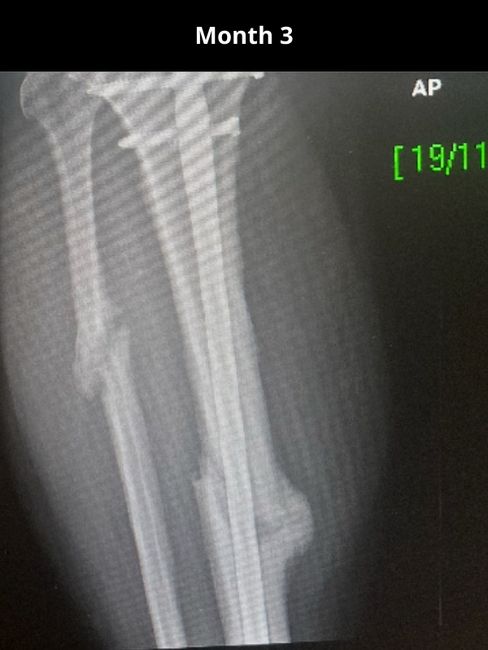
Upon completing the combined shockwave and EMTT treatment regimen, the patient underwent a follow-up X-ray. The results were outstanding, with clear evidence of successful bone healing, a dramatic improvement from previous imaging, which had shown little to no progress. The patient reported a substantial reduction in pain, decreased joint effusion, and improved mobility, enabling him to resume his daily activities with greater confidence and ease.
This case underscores the effectiveness of integrating shockwave and EMTT for bone non-union treatment. It also highlights the commitment of Got to Get Balanced Clinic to delivering cutting-edge, personalised care with the support of Venn Healthcare’s advanced medical technologies.
The Science Behind the Success: Osteoblast Activation and Enhanced Healing
A recent study published in Biomedicines reveals that Electromagnetic Transduction Therapy (EMTT) significantly enhances bone healing by stimulating osteoblast activity. EMTT has been shown to upregulate key bone-related genes, boost collagen production, and promote bone mineralisation. These effects contribute to faster and more robust fracture healing, especially in cases of delayed union or non-union, without compromising cellular integrity or viability.
By combining focused shockwave therapy’s mechanical stimulation with EMTT’s electromagnetic effects, this treatment approach creates a powerful synergy that accelerates the healing process. The dual-action strategy not only promotes bone regeneration but also addresses the underlying causes of non-union, making it a game-changing solution for complex orthopaedic cases.
Looking Ahead: Expanding Access to Advanced Therapies
The success of this case at Got to Get Balanced Clinic demonstrates the potential for focused shockwave and EMTT to revolutionise the management of bone non-unions and other musculoskeletal conditions. As more clinics adopt these technologies, patients who once faced limited options for recovery may now have access to effective, non-invasive alternatives.
Venn Healthcare remains committed to supporting clinics in implementing these advanced therapies, ensuring that more patients can benefit from cutting-edge treatment options. By fostering collaborations with forward-thinking healthcare providers, we aim to drive innovation in physiotherapy and rehabilitation, helping individuals achieve faster recoveries and improved quality of life.
For clinicians looking to incorporate focused shockwave therapy and EMTT into their practice, Venn Healthcare offers comprehensive training and device support. If you’re interested in learning more about how these therapies can enhance patient outcomes, contact us today to explore the possibilities.