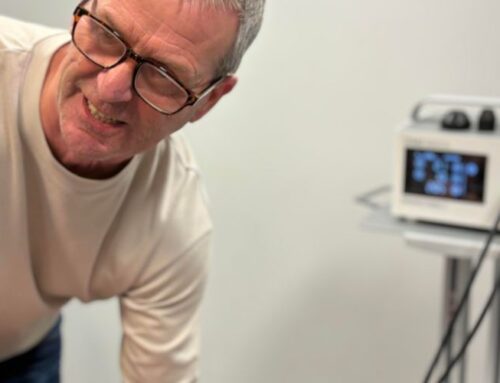
Shockwave therapy has become an increasingly valuable tool in musculoskeletal medicine, widely used to address conditions such as tendinopathies, plantar fasciopathy, calcific shoulder tendinitis, and myofascial pain syndromes. While much of the early research focused on its effects on bone healing and tendon repair, one of the most intriguing and emerging areas of study is its effect on fascia, the connective tissue network that plays a central role in movement, stability, proprioception, and pain.
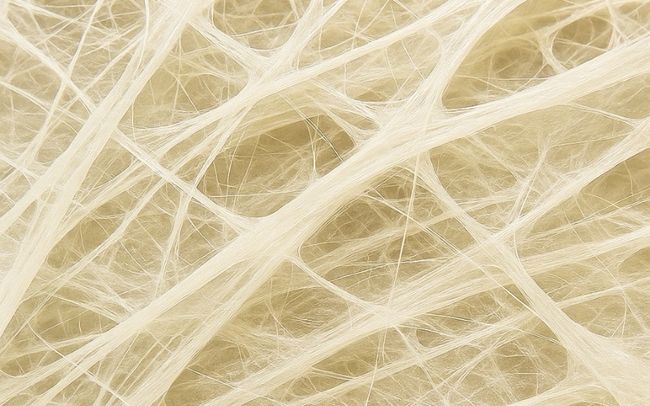
Why Fascia Matters
Fascia is no longer seen as a passive wrapping around muscles and organs. Research, led by experts such as Professor Carla Stecco, has revealed that fascia is a dynamic, innervated, and vascularised tissue with the ability to transmit force, modulate movement, and contribute to pain mechanisms (Stecco et al., 2019). Dysfunctional fascia has been associated with:
- Myofascial pain syndrome
- Chronic stiffness and reduced mobility
- Overuse injuries
- Altered postural control
- Long-term musculoskeletal pain
As such, treatments that target fascial health are increasingly being integrated into clinical practice. This is where extracorporeal shockwave therapy (ESWT) shows promise.
Laboratory Evidence: Fibroblast Response to Shockwaves
A pivotal laboratory study published in Biomedicines investigated how fascial fibroblasts, the key cells responsible for building and remodelling fascia, respond to shockwave stimulation. Researchers collected fibroblasts from human fascia samples and exposed them to a controlled dose of extracorporeal shockwaves. The following responses were observed:
- Within one hour, fibroblasts began releasing hyaluronan, a vital glycosaminoglycan that acts as a lubricant and helps fascia glide smoothly.
- Production of collagen types I and III increased, both critical for structural strength and flexibility within connective tissue.
- This anabolic activity continued over the next 24 hours, suggesting that shockwaves initiate a sustained repair and remodelling process in the extracellular matrix.
Although the study was in vitro (cell culture), it provides a mechanistic explanation for why patients with fascia-related pain conditions often report improvements in mobility, stiffness, and pain after shockwave therapy.
From Cells to Clinical Outcomes
For clinicians, these findings resonate with real-world observations. Patients with conditions such as plantar fasciopathy, iliotibial band syndrome, or chronic myofascial pain often respond positively to shockwave therapy. The potential reasons include:
- Lubrication and gliding: Increased hyaluronan improves the sliding of fascial layers, reducing friction and stiffness.
- Remodelling: Collagen synthesis supports tissue repair and resilience, restoring fascial elasticity.
- Neuromodulation: Shockwaves may also influence sensory nerve endings in fascia, reducing pain signalling (Notarnicola & Moretti, 2012).
Thus, fascia is increasingly recognised as an active tissue that influences pain, proprioception, and biomechanics—far beyond its once “supportive-only” role.
Practical Considerations: Energy Delivery in Shockwave Therapy
While laboratory evidence highlights how fascia cells respond at a microscopic level, clinical outcomes depend heavily on how effectively energy is delivered into the tissue. In radial shockwave therapy, depth and distribution of energy are influenced by multiple factors:
- Applicator size: Smaller applicators (e.g., DI15) concentrate energy deeper into specific structures such as the gluteal tendons or hip fascia.
- Applicator material: Denser materials enhance penetration, making them useful for thick or fibrous fascia.
- Pulse number and energy level: Higher pulse counts or energy settings increase cumulative tissue stimulation, but must be balanced with patient comfort and safety.
- Treatment frequency: Most protocols recommend weekly sessions over 3–6 weeks for fascia-related conditions, though individual variation exists.
Clinicians must therefore combine knowledge of fascial anatomy with technical skill to maximise outcomes.
The Role of Clinical Evidence
While this study adds compelling cellular-level evidence, it is important to note that it was not a clinical trial. Translating in vitro findings into patient outcomes requires carefully designed randomised controlled trials (RCTs). Encouragingly, RCTs have already shown shockwave’s benefits in conditions with strong fascial involvement:
- Plantar fasciopathy – multiple RCTs and meta-analyses confirm significant reductions in pain and improved function.
- Myofascial pain syndromes – evidence suggests improved trigger point sensitivity and pain scores following ESWT.
- Post-surgical adhesions and fibrosis – early pilot studies indicate potential benefits, though larger trials are needed.
The future direction is likely to combine laboratory research with longitudinal clinical studies, confirming whether fibroblast-level changes translate to lasting pain relief, improved mobility, and reduced recurrence.
Expert Insights: Professor Carla Stecco
We are delighted that Professor Carla Stecco, one of the world’s foremost experts on fascia, will be speaking at our Annual Shockwave Innovations Event this October. Professor Stecco’s extensive research has mapped the histology, biomechanics, and clinical relevance of fascia, shifting global understanding of how this tissue contributes to musculoskeletal health. This event offers practitioners a unique opportunity to hear the latest evidence directly from a leading authority and to translate these insights into clinical strategies.
Looking Ahead: Fascia as a Therapeutic Target
Shockwave therapy is evolving beyond tendinopathies, with fascia emerging as an important therapeutic target. The evidence suggests that shockwaves stimulate fascial remodelling at the cellular level, explaining why many patients experience improvements in mobility and pain. For practitioners, this underscores the importance of:
- Recognising fascia as a key contributor to pain and dysfunction
- Adapting treatment protocols to target fascial layers effectively
- Staying updated with emerging evidence and expert consensus
Conclusion
Shockwave therapy is entering a new phase in musculoskeletal medicine. Beyond its established role in tendinopathies, it is now being investigated as a powerful tool for fascia-related conditions. By stimulating fibroblasts to release hyaluronan and collagen, shockwaves may help restore fascial gliding, reduce stiffness, and improve tissue function. For clinicians, integrating this knowledge with practical considerations of energy delivery can enhance outcomes for patients with chronic pain and mobility issues.
As research progresses, and with leaders like Professor Stecco advancing our understanding, fascia-focused shockwave therapy may become a cornerstone in the management of musculoskeletal dysfunction.