Why More Clinics Are Adding Shockwave Therapy to Meet Patient Demand
Across the UK, more patients are actively requesting shockwave therapy. For clinicians who don’t yet offer it, the choice has often been to refer patients to nearby practices or colleagues. While this ensures patients get the care they need, it also means sending revenue and loyalty out of the door.
Our recent survey of over 1,000 clinics shows just how strong patient demand has become and why now is the time to bring shockwave therapy in-house.
Patient Demand Is Rising
Clinics are increasingly reporting patient-led enquiries for shockwave treatment, particularly for common musculoskeletal (MSK) and chronic pain conditions.
On average:
- Clinics treat 10 patients per week using shockwave.
- The average price per session is £75.
- This equates to £3,000 per month or £36,000 per year in additional revenue – even at modest patient volumes.
- For practices already receiving enquiries, this demand represents an immediate opportunity.
Which Devices Are Being Used?
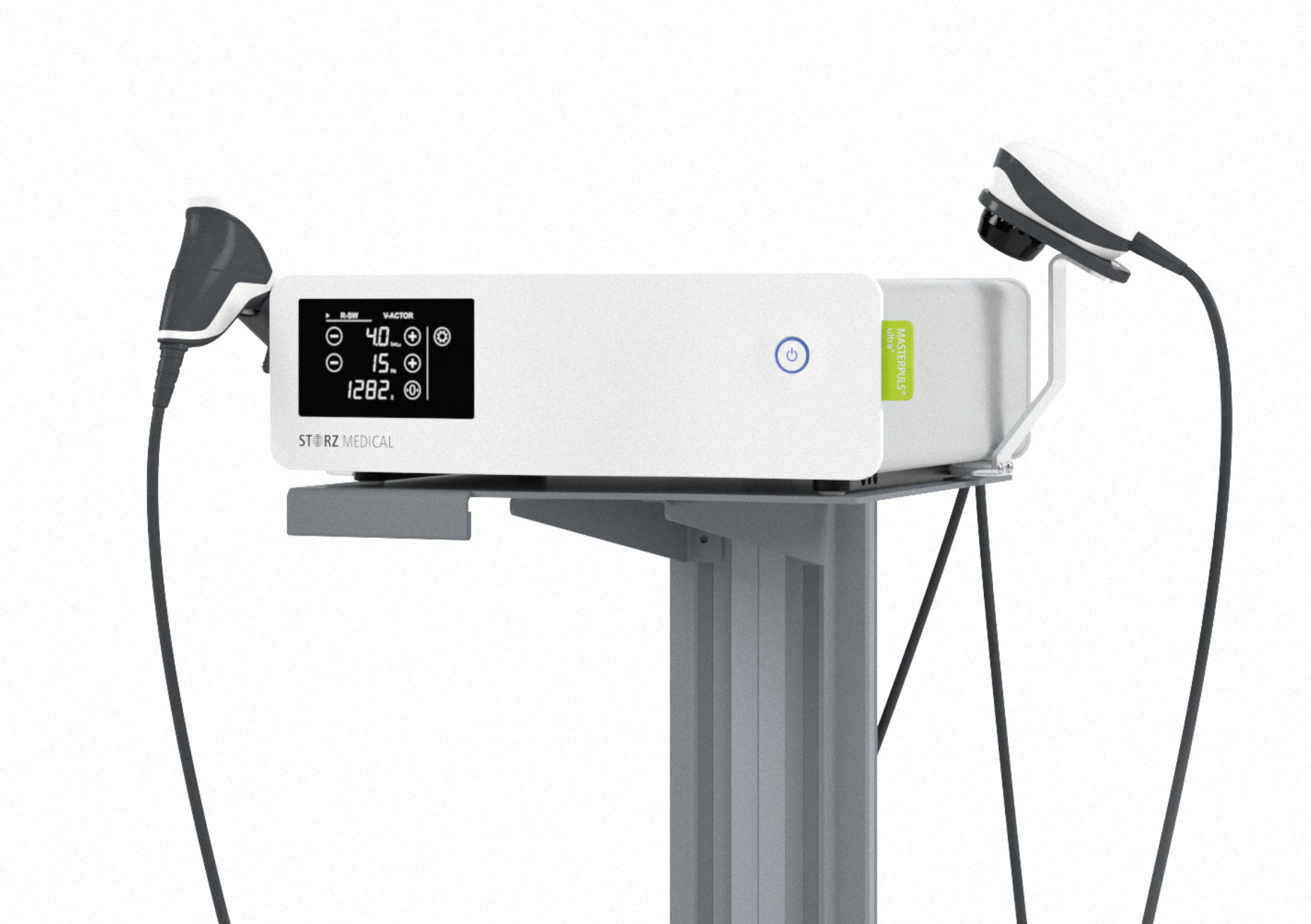
- There are two main types of shockwave devices: radial shockwave and focused shockwave.
- Radial shockwave is by far the most commonly used, making it the natural entry point for clinics.
- A smaller but significant number of clinics use both radial and focused shockwave together, combining them depending on the condition.
- A minority use focused-only, typically for specific or complex pathologies.
This shows that most clinics can begin with radial shockwave and expand later if needed.
How Quickly Do Patients See Results?
Patients rarely need to wait long to experience benefits:
- 2–3 sessions: Many patients report noticeable improvement.
- 3–4 sessions: Another common timeframe seen in our survey for results.
- 4–6 sessions: Typical for chronic or more complex conditions.
- 6+ sessions: Sometimes required for men’s health indications.
For clinicians, this makes shockwave therapy a fast-acting, non-invasive option to add to their treatment arsenal.
Patient Satisfaction: Consistently High
Patient feedback is overwhelmingly positive. The vast majority of clinics rated satisfaction levels as either “satisfied” or “very satisfied”, with only a small proportion reporting neutral experiences. Negative feedback was virtually non-existent.
This high satisfaction rate helps clinics generate repeat business, strengthen patient loyalty, and benefit from word of mouth referrals.
Clinical Applications: Where Shockwave Therapy Excels
Clinicians across the UK and beyond are successfully using shockwave therapy for a wide range of conditions. Both our survey data and broader community evidence highlight the following conditions as the most frequently and effectively treated:
- Plantar fasciitis / plantar fasciopathy – The most common indication, with consistently high success rates.
- Achilles tendinopathy – Effective for both chronic and insertional cases.
- Tennis elbow (lateral epicondylitis) – One of the best established upper limb uses.
- Patellar tendinopathy (jumper’s knee / runner’s knee) – Increasingly treated in both amateur and professional athletes.
- Gluteal tendinopathy / GTPS – Growing clinical adoption with strong patient outcomes.
- Shoulder tendon conditions – Including rotator cuff tendinopathy, calcific tendinitis, and frozen shoulder.
- Other overuse and soft-tissue tendon injuries – e.g., hamstring tendinopathy, medial epicondylitis (golfer’s elbow), and chronic myofascial pain.
- Shin splints and bone-related overuse injuries – Particularly responsive to focused shockwave.
- Joint capsule and bursitis-related pain – Especially in the shoulder and hip.
- Muscle pain, scar tissue, and trigger points – Often addressed with radial shockwave as an adjunctive therapy.
- Specialist applications with focused shockwave – Including erectile dysfunction, Peyronie’s disease, and selected nerve pathologies.
This breadth of indications demonstrates why shockwave therapy is becoming a cornerstone technology in musculoskeletal medicine, sports rehabilitation, and specialist clinics alike.
Survey results showed clinicians rated shockwave effectiveness between 4–5 out of 5 for many of these conditions.
The Revenue Potential of Shockwave Therapy
Adding shockwave therapy is not only clinically effective – it’s financially transformative.
- 10 patients per week = £3,000/month = £36,000/year
- 15 patients per week = £4,500/month = £54,000/year
- 20 patients per week = £6,000/month = £72,000/year
- 30 patients per week = £9,000/month = £108,000/year
Because most patients require multiple sessions, just a handful of new referrals each month quickly builds into a steady, repeatable revenue stream.
Return on Investment
The investment in a radial shockwave device can often be recouped in as little as 3-6 months. After this, clinics operate at high margins due to minimal running costs:
- Short treatment times (15–20 minutes).
- Easy integration into existing appointments.
- Clinics also benefit from indirect revenue growth through patient retention, reduced referrals out, and increased word-of-mouth referrals.
Why Delay Means Losing Patients
Conversations we are having demonstrate that many clinicians without shockwave are already sending patients to nearby practices. While this may solve an immediate clinical need, it creates three long-term risks:
- Lost revenue – referrals mean missed income.
- Patient leakage – patients may stay with the competitor.
- Weakened reputation – patients expect modern, evidence-based treatments.
By investing in shockwave therapy, clinicians can keep patients in-house and strengthen their service offering.
Take the Next Step
If your patients are already asking about shockwave therapy, now is the time to act. Offering it in-house means you can:
- Retain patients and stop referring to competitors.
- Expand your clinical services.
- Generate a consistent new revenue stream.
- Improve outcomes and patient satisfaction.
With flexible payments solutions and devices to suit all budgets Venn Healthcare are your number one choice for shockwave devices, education and continued aftercare. Contact us today