Understanding the Impact of Ankle Injuries
When Brian Johnson, a well-known tech entrepreneur and health optimisation advocate, suffered an ankle injury at a music festival, it highlighted how even the most health-conscious individuals aren’t immune to accidents. His experience mirrors that of many others: simple daily tasks suddenly become challenging, exercise routines are disrupted, and the psychological impact can be significant. However, his approach to recovery offers valuable insights into modern treatment possibilities.
Modern Treatment Technologies
Focused Shockwave Therapy (FSWT)
Once exclusively available to professional athletes, focused shockwave therapy has become increasingly accessible to the general public across the UK. This innovative treatment utilises acoustic waves to promote healing in injured areas. The technology works by:
Stimulating blood flow to the injured region
Accelerating the body’s natural healing processes
Reducing inflammation and pain
Promoting tissue regeneration
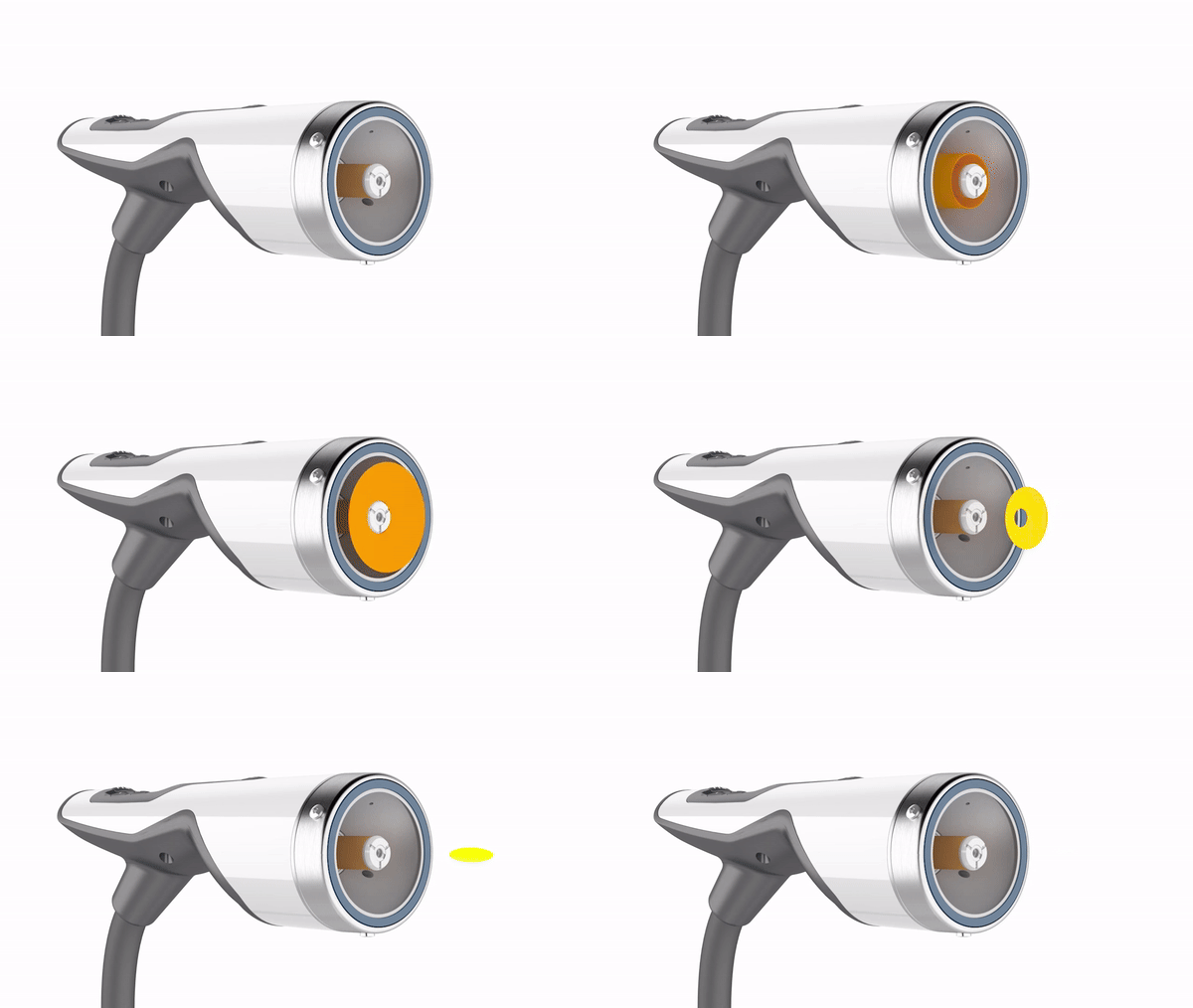
Extracorporeal Magnetotransduction Therapy (EMTT)
EMTT represents another breakthrough in non-invasive treatment options. This technology uses high-energy magnetic pulses to:
Stimulate cellular repair
Reduce inflammation
Enhance tissue regeneration
Promote faster healing times
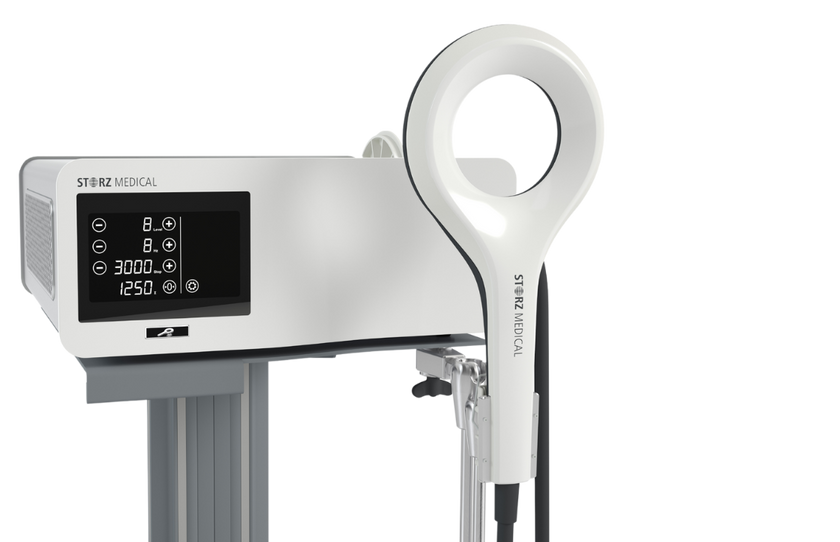
Modern treatment protocols often combine multiple therapies for optimal results, taking a comprehensive approach that may include both FSWT and EMTT, physical therapy, and soft tissue work. This integrative strategy aims to enhance accessibility and democratise treatment, making advanced therapeutic options more widely available.
What’s particularly exciting about these modern treatment approaches is their increasing availability. While technologies like FSWT and EMTT were once the preserve of professional sports clubs, they are now accessible to most people in the UK through specialist therapy clinic and rehabilitation facilities.
The Appeal of Non-Invasive Solutions
The growing popularity of these treatment methods can be attributed to several factors.
No surgical intervention required
Minimal to no side effects
Quick treatment sessions
Ability to continue with daily activities
Proven effectiveness through clinical studies
Reduced recovery times compared to traditional methods
The landscape of ankle injury treatment has been transformed by technologies like FSWT and EMTT. These non-invasive approaches offer hope for faster recovery times and better outcomes, without the risks associated with surgical intervention. Their increasing accessibility means that treatments once reserved for elite athletes are now available to the general public, democratising high-quality care.
For anyone suffering from an ankle injury, these modern treatment options represent a significant advancement in care. With minimal side effects and proven effectiveness, they’re becoming the go-to choice for many practitioners and patients alike. As these technologies continue to evolve and become even more widely available, we can expect to see even better outcomes in ankle injury recovery, helping people return to their normal activities more quickly and safely than ever before.
Remember to consult with healthcare professionals to determine the most appropriate treatment plan for your specific injury.
Benoy Mathew, MSc, MCSP,
Advanced Practice Physio/MSK Sonographer,
Head of MSK Education, Venn Healthcare
Twitter: @function2fitnes Instagram: @function2fitness