23 August 2024 – T. Gropp

Abstract

Background: Extracorporeal Magnetotransduction Therapy (EMTT) is a non-invasive therapeutic approach utilising high-energy magnetic pulses for the treatment of various medical conditions. This case report highlights the application of EMTT in patients with severe chronic obstructive pulmonary disease (COPD), asthma, and post-COVID-19 respiratory issues, using the MAGNETOLITH device by STORZ MEDICAL.

Case Presentation: Nine patients with chronic respiratory conditions were treated with EMTT. The outcomes varied: most patients reported significant improvements in mucus clearance, physical capacity, and reduction of dyspnea, leading to an overall enhancement in quality of life. Only two patients did not experience significant benefits—one patient discontinued therapy after one session due to increased dyspnea likely caused by a panic attack, and another patient showed minimal improvement, which may have been influenced by continued heavy smoking during the treatment period.

Conclusion: EMTT demonstrated considerable potential benefits for improving respiratory health and overall subjective quality of life in patients with chronic lung conditions. To validate these findings and establish the therapy’s effectiveness, it is essential to conduct randomised controlled trials and obtain objective data to guide future clinical use.
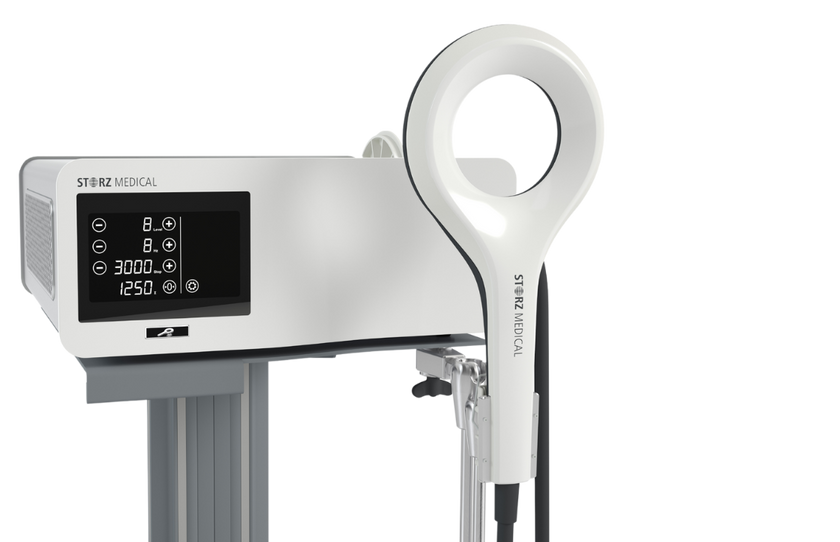
emtt product photo

Case Series Presentation

Extracorporeal Magnetotransduction Therapy (EMTT) is a non-invasive therapeutic approach that utilises high-energy magnetic pulses transmitted to targeted areas of the body. This case report highlights the application of EMTT in patients with suffering from severe chronic obstructive pulmonary disease (COPD), asthma, and post-COVID-19 respiratory issues using MAGNETOLITH by STORZ MEDICAL. This provides valuable insights into the therapy’s potential benefits for improving respiratory health and overall quality of life.

Treatment Protocol:

Each session involved delivering 6000 high-energy magnetic pulses at an energy level of 8 Hz:

  • 2000 pulses to the right middle lobe of the lung (from the back)
  • 2000 pulses to the left middle lobe of the lung (from the back)
  • 2000 pulses to the tracheal bifurcation (from the front)

Follow-Up:

Some patients received a follow-up session after 2-3 weeks, depending on their individual progress and needs.

Cases

Patient K.A.

  • Diagnosis/History: A former agricultural worker, diagnosed with severe asthma, exhibited a resting oxygen saturation below 90% SpO2. He was unable to walk more than 50 meters without stopping and could not climb a single flight of stairs without resting, despite multiple medications.
  • Treatment: 10 daily EMTT sessions over 10 days.
  • Outcome: Significant improvement was reported after the first treatments. The patient experienced easier mucus expectoration in the mornings and was able to climb stairs to the clinic without pausing, marking a significant enhancement in his quality of life.

Patient L.R. (60 years old)

  • Diagnosis/History: Diagnosed with moderate COPD, likely due to inhalation of dust. She experienced significant dyspnea with minimal exertion, limiting her daily activities.
  • Treatment: 10 EMTT was administered over two weeks (weekdays).
  • Outcome: The patient reported that her mucus became more fluid, easing her breathing throughout the day. She was able to perform more household chores independently, leading to a marked improvement in her quality of life.

Patient H.S. (60 years old)

Diagnosis/History: Suffering from severe COPD related to long-term nicotine abuse, obesity, and diabetes mellitus. Her main complaints included thick mucus production and significantly reduced physical capacity.

Treatment: 10 EMTT sessions over 14 days, including weekends.

Outcome: The patient reported a noticeable reduction in shortness of breath and a significant improvement in her ability to perform physical tasks, such as climbing two flights of stairs without stopping. She also ceased smoking during the treatment, attributing this to the improvement in her quality of life.

Patient H.P. (60 years old)

  • Diagnosis/History: This patient had a history of severe COPD following nicotine abuse and a previous heart attack. Despite his COPD, he maintained better physical condition than expected due to regular horseback riding.
  • Treatment: 14 daily EMTT sessions over 14 days.
  • Outcome: The patient reported a significant enhancement in lung capacity, with a marked improvement in breathing throughout the day.

Patient S.H-P. (60 years old)

  • Diagnosis/History: Diagnosed with severe COPD as a result of sarcoidosis, experiencing dyspnea with SpO2 levels below 88% at rest, along with chronic bronchial infections.
  • Treatment: 14 daily EMTT sessions for 14 days, followed by one weekly follow-up session.
  • Outcome: The patient experienced significant improvement in lung capacity, with a temporary resolution of resting dyspnea and improved mobility within the home. However, the condition worsened after a treatment break, leading to an intensive care unit admission for pneumonia and the need for oxygen therapy.

Patient S.P. (65 years old)

  • Diagnosis/History: Long-term smoker with severe COPD, characterised by complete inactivity and constant dyspnea at rest.
  • Treatment: 10 EMTT sessions over three weeks.
  • Outcome: No significant improvement was reported by the patient, who continued to smoke heavily and remained inactive. However, his wife noted a slight reduction in chronic coughing.

Patient M.P. (55 years old)

  • Diagnosis/History: Diagnosed with severe COPD due to long-term smoking, with primary complaints of thick mucus and limited physical capacity.
  • Treatment: 10 EMTT sessions over 21 weekdays.
  • Outcome: The patient reported easier mucus expectoration and a significant increase in her walking distance and stair-climbing ability, enabling her to climb to her second-floor apartment without stopping.

Patient D.P. (63 years old)

  • Diagnosis/History: Asthma likely related to occupational exposure to lubricants, compounded by nicotine abuse. He suffered from persistent mucus production and worsening symptoms during work.
  • Treatment: The patient discontinued treatment after a single session.
  • Outcome: The patient experienced an increase in dyspnea, likely due to a panic attack, and chose not to continue the therapy.

Patient T.G. (60 years old)

  • Diagnosis/History: Persistent cough and thick mucus four weeks post COVID-19 infection, with a noticeable reduction in physical fitness. The patient had no history of smoking, asthma, or COPD.
  • Treatment: Five EMTT sessions over five days.
  • Outcome: The patient reported being symptom-free after five treatments, with significant improvement after just one session. There was noticeable mucus mobilisation, and his physical fitness improved significantly.

Discussion

The cases presented in this report highlight the potential benefits of EMTT in patients with chronic respiratory conditions. Most patients experienced significant improvements in mucus clearance, physical capacity, and reduction in dyspnea, leading to an overall enhancement in their quality of life. These outcomes are particularly noteworthy given the severity of the conditions treated, including cases of COPD exacerbated by long-term smoking, asthma, and post-COVID-19 respiratory issues.

However, the variability in patient responses underscores the importance of personalised treatment plans. While some patients showed remarkable improvements, others had minimal or no benefit from the therapy. This suggests that factors such as the severity of the condition, underlying health issues, and patient compliance with treatment protocols may influence the effectiveness of EMTT.

Conclusion

The cases presented indicate that EMTT with the MAGNETOLITH device can significantly improve the quality of life for patients with chronic respiratory conditions, particularly by enhancing mucus clearance, increasing physical capacity, and reducing dyspnea. However, individual responses to the therapy can vary, highlighting the need for personalised treatment plans and ongoing evaluation. Further studies are recommended to substantiate these findings and optimize treatment protocols for broader clinical application.