ASD
Neuromodulation
Venn Healthcare
NESA neuromodulation in Autism Spectrum Disorder
What does the latest evidence actually show about sleep, behaviour, sensory processing, and autonomic regulation?

ASD is a neurodevelopmental condition characterised by differences in social communication, behaviour and sensory processing. Presentations vary considerably between individuals, and that variability is one of the reasons finding treatments that work consistently across the population is so difficult.
Most interventions are still centred around managing symptoms rather than shifting underlying regulation. Behavioural therapies, medicatio, and structured support all have their place. But there’s growing interest in whether working at a physiological level, specifically through the autonomic nervous system, might offer something different.
Sleep is probably the clearest example of where this matters. Poor sleep in ASD isn’t a secondary inconvenience. It feeds directly into increased irritability, reduced emotional regulation, higher levels of hyperactivity, and poorer engagement in therapy. Get the sleep right, and a lot of the downstream picture can shift with it.
Even modest improvements in sleep can have a disproportionate impact clinically. Not just on the individual, but on the whole family around them.
Venn Healthcare / Clinical Insight
Where NESA fits in
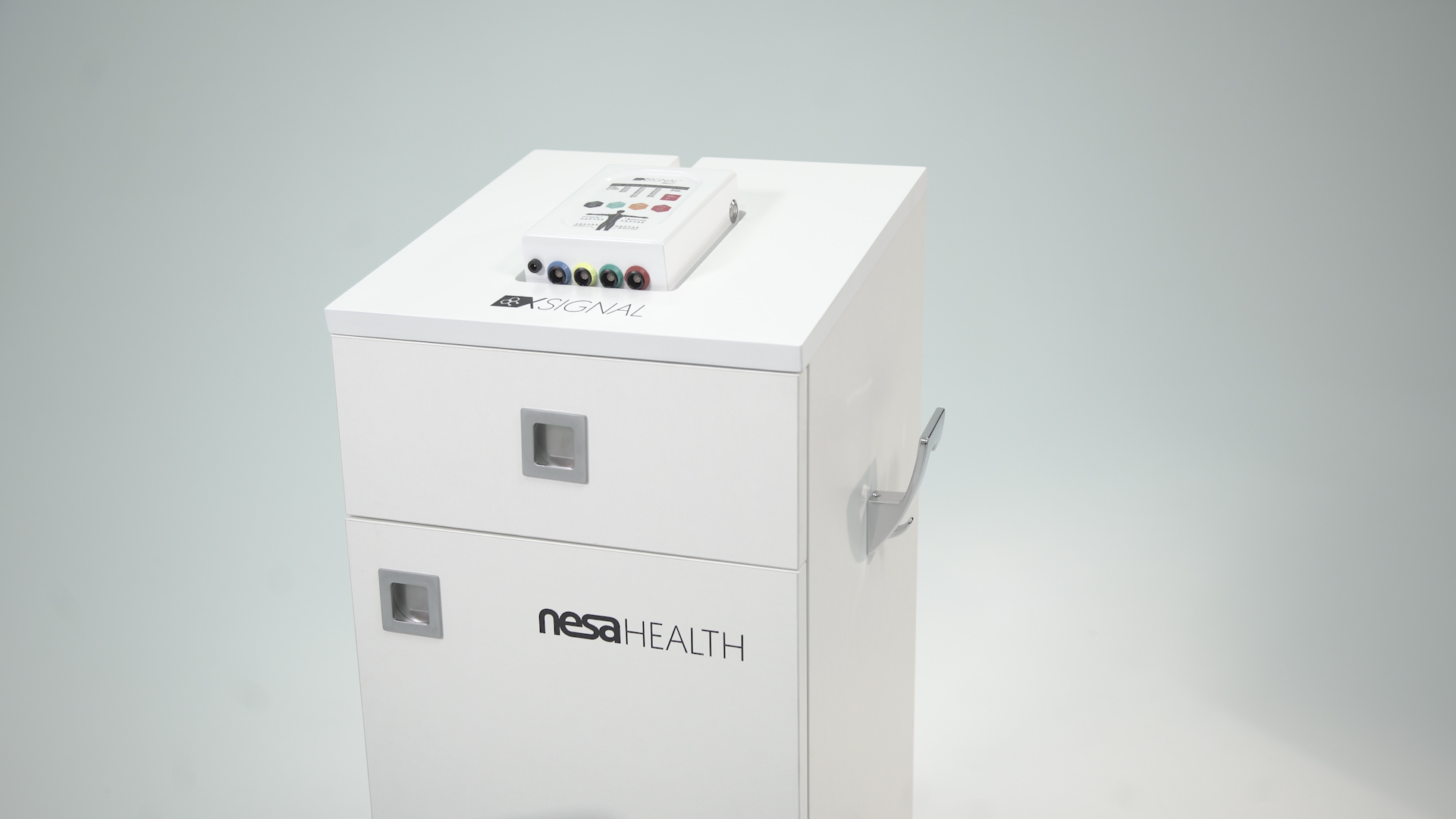
NESA is a non-invasive neuromodulation approach, but it works quite differently to the more familiar brain stimulation techniques like TMS or tDCS. Rather than targeting the cortex directly, it works peripherally.
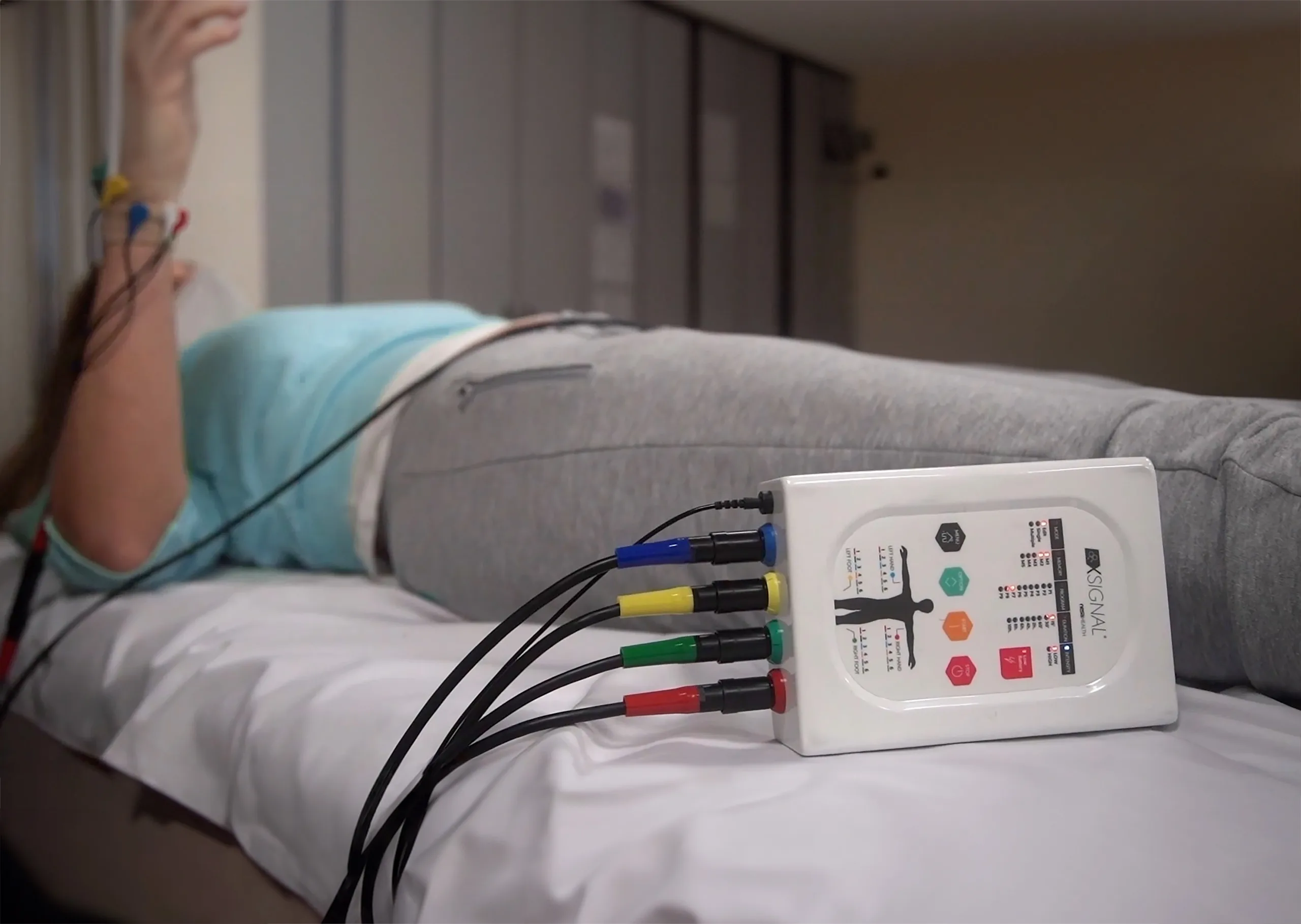
Microcurrents are delivered via electrodes on the hands and feet, typically gloves and ankle cuffs, with a directional electrode placed at either C7 or the sternum depending on the treatment objective. The current levels are sub-sensory. Most patients feel nothing during the session.
The mechanism is thought to work by modulating the autonomic nervous system through peripheral nerve input, gradually shifting the balance between sympathetic and parasympathetic activity. Many individuals with ASD present with chronic sympathetic overdrive: high arousal, disrupted sleep, sensory overreactivity. The aim is to move the system towards a more regulated baseline over time.
In practice
Sessions typically run for around 30 minutes. The patient is seated or reclined, electrodes are fitted, and the device runs through its selected program. No discomfort, no sedation.
For children with ASD, this matters quite a lot. Sensory sensitivities can make many interventions difficult to tolerate. The peripheral nature of NESA sidesteps a lot of that friction from the outset.
What do the NESA programs actually refer to?
NESA uses a series of pre-set programs, each delivering different patterns of microcurrent depending on the treatment objective. Four programs feature most prominently in the ASD research.
Introduction
Used at the start of treatment to introduce microcurrents gradually. It modulates the autonomic nervous system at a low dose, which is particularly important when working with children or anyone with heightened sensory sensitivity.
Peripheral Pathways
Directs input through ventral and peripheral pathways, working with the nerves of the limbs and trunk. This program is associated with broader systemic regulation rather than any specific cortical target.
Autonomic Regulation
Designed for broader autonomic neuromodulation. It’s the program most consistently linked to improvements in sleep quality and HRV across the ASD studies, and the one most frequently cited in relation to reducing sympathetic dominance and supporting parasympathetic recovery.
Brain Activity
Associated with changes in alpha wave activity. In ASD, this program appears mostly in work around attention and emotional regulation rather than sleep, and is also used in stress and anxiety contexts more broadly.

What the studies actually showed
The evidence base for NESA in ASD is still in its early stages, predominantly small-sample pilot studies and case series. That’s worth being upfront about. But the pattern of results across those studies is consistent, and consistency across early-stage work is usually the first thing worth paying attention to.
Sleep
Sleep improved modestly overall. The most consistent findings were around sleep onset latency, getting to sleep faster, and reductions in daytime tiredness. For families managing the knock-on effects of chronic sleep disruption, even modest improvements can feel significant. Notably, caregiver-reported outcomes tended to show improvements before objective measures did, which tells you something about where the change is felt first.
Behaviour
Around a 25% reduction in hyperactivity and irritability scores was reported overall. These are two of the more difficult behavioural domains in ASD and among the most likely to respond to shifts in autonomic regulation, particularly once sleep begins to improve. Whether the behavioural change is downstream of better sleep or a more direct effect of autonomic modulation is still an open question.
Sensory processing
Reduced sensory reactivity was noted across several outcome measures, with improvements in tolerance of environments and day-to-day participation. Sensory overreactivity in ASD is closely tied to autonomic dysregulation. The nervous system’s threat-detection is running too hot. A treatment that targets autonomic tone would theoretically be expected to have a fairly direct effect here, and that’s broadly what the studies found.
Family impact
One of the more striking findings was that parents reported improvements in their own sleep and in overall household function. Anyone who works in this area will recognise that immediately. When a child’s sleep and behaviour shift, the effect on the family around them can be considerable. It also raises a reasonable question about how outcomes in paediatric conditions like ASD should actually be measured.
Clinical interpretation
What this means in practice
The improvements seen are in areas closely linked to autonomic function: sleep, arousal, behaviour, and sensory reactivity. That’s exactly where you’d expect to see change if autonomic regulation is genuinely being influenced. The fact that findings are coherent across those domains is arguably more meaningful than any single outcome measure in isolation.
This isn’t replacing behavioural therapy, medication, or other established interventions. It sits alongside them. And it may help some patients engage more effectively with those therapies by first shifting the regulatory baseline they’re working from.
The study sizes are small and the evidence is preliminary. Clinicians should treat these findings with appropriate caution. But the mechanistic rationale is sound, the safety profile is good, and the areas of improvement are clinically meaningful. Larger controlled trials are what the field needs next.
Autonomic regulation is becoming impossible to ignore
This isn’t a solution for ASD. The complexity of the condition, and the degree of individual variation, means no single intervention will ever be that. But the evidence around NESA adds to a growing body of work suggesting that autonomic regulation sits closer to the centre of the picture than it’s historically been given credit for.
For patients where dysregulation is a key driver, particularly poor sleep, high arousal, and sensory overload, intervening at the autonomic level makes clinical sense. The question is no longer really whether the autonomic nervous system matters in ASD. It’s how best to address it.
NESA offers one approach that is non-invasive, well-tolerated, and producing consistent early signals in the right areas. Worth watching as the evidence develops.