23 August 2024 – T. Gropp
Abstract
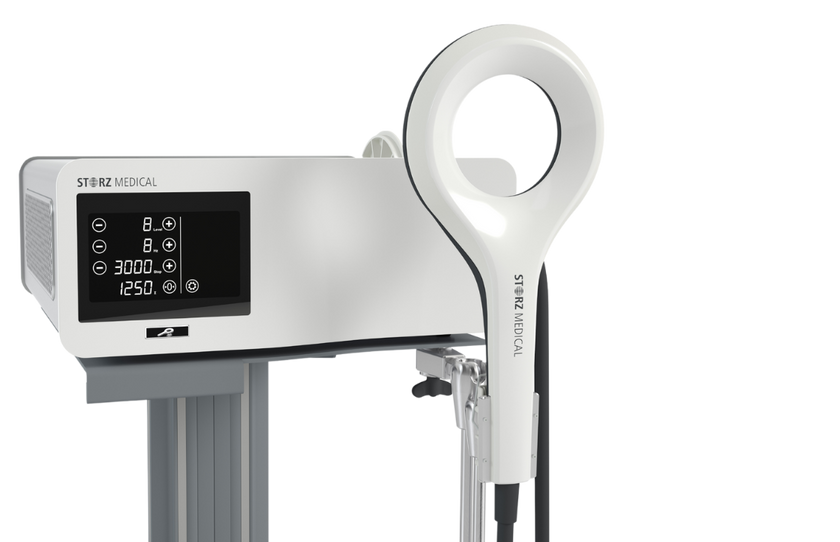
Background: Extracorporeal Magnetotransduction Therapy (EMTT) is a non-invasive therapeutic approach utilising high-energy magnetic pulses for the treatment of various medical conditions. This case report highlights the application of EMTT in patients with severe chronic obstructive pulmonary disease (COPD), asthma, and post-COVID-19 respiratory issues, using the MAGNETOLITH device by STORZ MEDICAL.
Case Presentation: Nine patients with chronic respiratory conditions were treated with EMTT. The outcomes varied: most patients reported significant improvements in mucus clearance, physical capacity, and reduction of dyspnea, leading to an overall enhancement in quality of life. Only two patients did not experience significant benefits—one patient discontinued therapy after one session due to increased dyspnea likely caused by a panic attack, and another patient showed minimal improvement, which may have been influenced by continued heavy smoking during the treatment period.
Conclusion: EMTT demonstrated considerable potential benefits for improving respiratory health and overall subjective quality of life in patients with chronic lung conditions. To validate these findings and establish the therapy’s effectiveness, it is essential to conduct randomised controlled trials and obtain objective data to guide future clinical use.
Case Series Presentation
Extracorporeal Magnetotransduction Therapy (EMTT) is a non-invasive therapeutic approach that utilises high-energy magnetic pulses transmitted to targeted areas of the body. This case report highlights the application of EMTT in patients with suffering from severe chronic obstructive pulmonary disease (COPD), asthma, and post-COVID-19 respiratory issues using MAGNETOLITH by STORZ MEDICAL. This provides valuable insights into the therapy’s potential benefits for improving respiratory health and overall quality of life.
Treatment Protocol:
Each session involved delivering 6000 high-energy magnetic pulses at an energy level of 8 Hz:
- 2000 pulses to the right middle lobe of the lung (from the back)
- 2000 pulses to the left middle lobe of the lung (from the back)
- 2000 pulses to the tracheal bifurcation (from the front)
Follow-Up:
Some patients received a follow-up session after 2-3 weeks, depending on their individual progress and needs.
Cases
Discussion
The cases presented in this report highlight the potential benefits of EMTT in patients with chronic respiratory conditions. Most patients experienced significant improvements in mucus clearance, physical capacity, and reduction in dyspnea, leading to an overall enhancement in their quality of life. These outcomes are particularly noteworthy given the severity of the conditions treated, including cases of COPD exacerbated by long-term smoking, asthma, and post-COVID-19 respiratory issues.
However, the variability in patient responses underscores the importance of personalised treatment plans. While some patients showed remarkable improvements, others had minimal or no benefit from the therapy. This suggests that factors such as the severity of the condition, underlying health issues, and patient compliance with treatment protocols may influence the effectiveness of EMTT.
Conclusion
The cases presented indicate that EMTT with the MAGNETOLITH device can significantly improve the quality of life for patients with chronic respiratory conditions, particularly by enhancing mucus clearance, increasing physical capacity, and reducing dyspnea. However, individual responses to the therapy can vary, highlighting the need for personalised treatment plans and ongoing evaluation. Further studies are recommended to substantiate these findings and optimize treatment protocols for broader clinical application.